By Victor Block
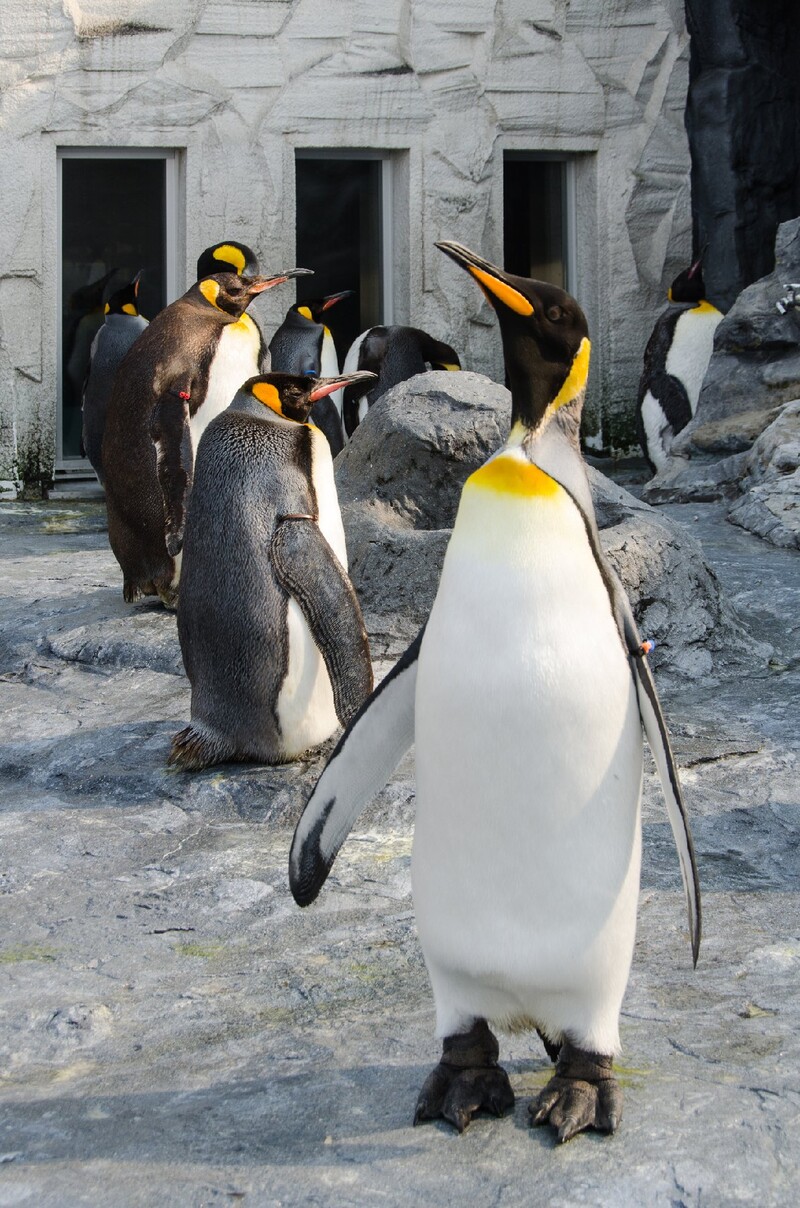
The next time you visit a zoo and see emperor penguins, take a good look. Unfortunately, the tallest and heaviest of the penguin species may be headed for extinction. If so, it will join other animals that no longer exist in their natural habitats and can be viewed in the United States only at zoos and aquariums that provide a safe haven for them.
Scientists at the British Antarctic Survey recently reported that due to the loss of sea ice at penguin breeding locations caused by global warming, more than 90% of emperor penguin colonies may be quasi-extinct by 2100. As a result, those endearing flightless seabirds would not be able to reproduce adequately to avoid disappearing in the wild. Other animals that face a similar fate also find a home at zoos and aquariums, so it is still possible to see them.
In Tennessee that means stopping by Brights Zoo in Limestone. A spotless giraffe was born there in July, and experts believe it is the only one of its kind alive on the planet. Even the much more common spotted giraffes, however, have been listed as endangered.
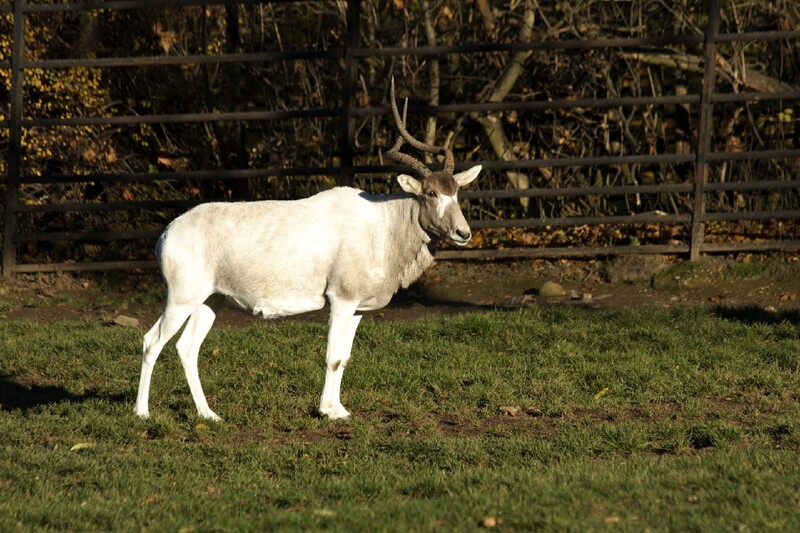
Brights is a family-owned private zoo that also houses an addax, a white antelope native to the Sahara Desert, and a bongo, a forest-dwelling antelope with black and white markings and long slightly spiraled horns.
Another recent fortuitous birth was that of a cheetah, and the adorable cub has joined its older brethren at Zoo Miami. Cheetahs are Africa's most endangered big cat, and while they are not considered to be dangerous to humans, many are shot by farmers who consider them a threat to livestock.
A larger endangered animal is the Borneo elephant, which, because they're smaller than their African cousins, are sometimes referred to as pygmies. Those that overcome the loss and degradation of their habitat — the major threat they face — can live up to 75 years. Chendra, who resides at the Oregon Zoo in Portland, is said to be the only one of its kind in the country.
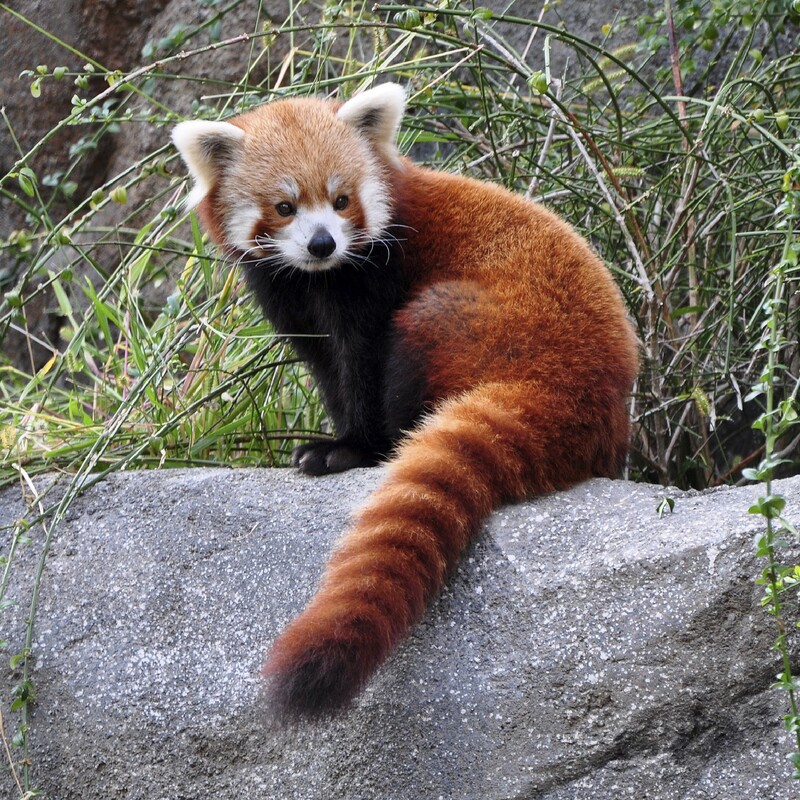
A smaller, but many might say cuter, mammal is the red panda. Despite the name, it is not a close relative of the giant panda, which actually is classified as a bear. A native of bamboo-rich forests in China and the Himalayas, the name relates to the animal's dense reddish-brown fur.
They are endangered due to poaching and the fragmentation and deforestation of their living territory. The Saint Louis Zoo participates in the Red Panda Species Survival Plan, a breeding program that seeks to ensure a healthy population of animals.
Gangly alligators can't compete with pandas in the cuddle department, but they have their own unique characteristics. That's true especially for the white 'gator that slithers around the Audubon Nature Institute in New Orleans. Only about 15 out of 5 million alligators are believed to lack natural pigmentation, and these have white skin and deep blue eyes. They're most often described as ghostly and ethereal, as well as beautiful.
While turtles are not among alligators' usual food choices, they do fall prey if a 'gator can't find its favorite fare. The Central American River Turtles, or hicatees, at the Jacksonville Zoo and Garden in Florida have escaped that fate. These amphibians have been hunted and harvested nearly to extinction, but those in Jacksonville weigh about 45 pounds and are believed to be the oldest of their genus on the planet.
Not surprisingly, given its name, the Panamanian golden frog makes up in bright color what it lacks in size, usually measuring about 2 inches in length. Despite their lovely hue, the miniscule guys are highly toxic and can cause death within minutes after direct contact. Due primarily to a lethal fungal infection, along with habitat loss and pollution, the lovely little fellows that lead a protected life at Zoo Atlanta are a critically endangered species.
Zoo Atlanta is one wildlife refuge among hundreds that span the United States and do more than put animals on display. While that alone helps to foster concern among the public for threatened wildlife, many animal sanctuaries play a more active role in bolstering dwindling populations.
Dozens of zoos and aquariums participate in the Association of Zoos and Aquariums Species Survival Plan Program. It manages the breeding of endangered species in an effort to maintain self-sustaining populations, and in some cases it reintroduces animals back into their native habitat. Their website is at aza.org.
WHEN YOU GO
brightszoo.com
zoomiami.org
oregonzoo.org
stlzoo.org
audubonnatureinstitute.org
jacksonvillezoo.org
zooatlanta.org
Victor Block is a freelance writer. To read features by other Creators Syndicate writers and cartoonists, visit the Creators Syndicate website at www.creators.com.
Visitors to Brights Zoo in Limestone, Tennessee, can see a white antelope called an addax. Photo courtesy of Flipfoto25/Dreamstime.com.







View Comments