By Victor Block
I recently visited a small city — population about 100,000 — that offers visitors a full menu of things to see and do. It's a center of arts and crafts, elegance and culture, with a wide choice of both indoor and outdoor attractions. Roanoke, Virginia, also beckons guests who are seeking the solace of tranquil mountain settings, including sights that can be viewed from one of the most scenic drives in the country.
This something-for-everyone dichotomy draws people from near and far to explore and enjoy what has been labeled an inviting mountain town and top trail town. The community sits in the Blue Ridge Mountains, which extend from Pennsylvania to Georgia and are named for their bluish color when seen from a distance.
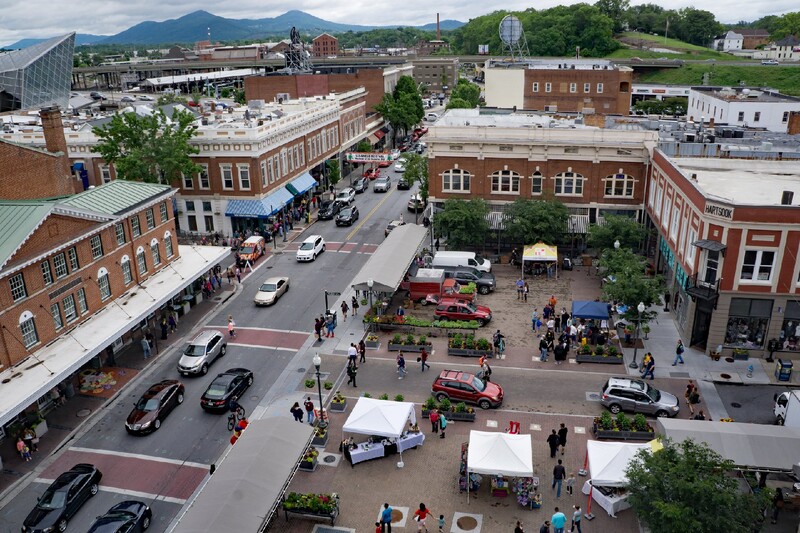
For starters, this is a very walkable town. It is largely a flat, low-rise place. A number of manmade attractions are grouped close to each other. Yet minutes away by car awaits some of Mother Nature's magnificent handiwork.
Roanoke's story began in the 1740s, when two settlers from Pennsylvania acquired land near salt licks that were crossed by trails laid down by Native Americans and animals. Those salt marshes were a gathering place for buffalos, elks and deer, as well as for the humans who hunted them.
The salt marshes were to lend their name to the first village in the Roanoke Valley, which came to be known as Big Lick. With the arrival of the Shenandoah Valley Railroad, Big Lick was renamed Roanoke. That was derived from the Indigenous word "Rawrenock," a name for the shell beads that were worn by Native people. In 1882, the village became a crossroads for the railroad, which marked the start of its rapid growth. Today, it's a center of transportation, trade, manufacturing, entertainment and recreation.
The city played a role in the Civil War, serving as a supply center for Confederate troops. Its most iconic attraction is the Roanoke Star, a 100-foot-high illuminated steel and concrete structure that has been a beacon at the top of Mill Mountain for many years. Other attractions are varied and fascinating.
Center in the Square is occupied by museums and live theatre facilities. Among these are collections related to African American culture, local history, science and pinball machines.
When I wasn't taking in information about these miscellaneous topics, I was exploring other chapters of Roanoke's past and reasons for its sightseeing pull. The local music scene began to flourish in the early 20th century, focused on folk and bluegrass influences.
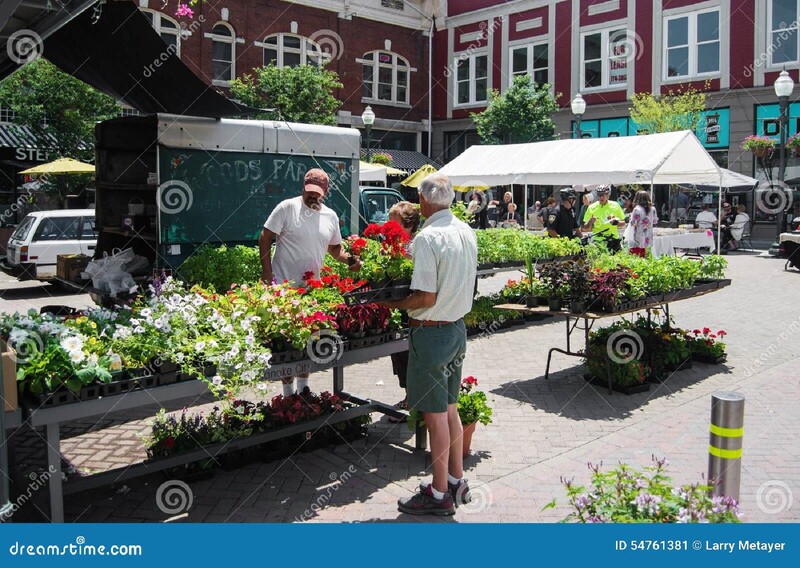
Over time, they were augmented by other genres, including country, rock and jazz. Visitors today can swing and sway at concert venues, intimate music halls and impromptu jam sessions that can get underway at restaurants, breweries, wineries and farmers markets.
One of the more interesting and intriguing places I happened upon was Black Dog Salvage, a popular if offbeat institution in town. Its sprawling showrooms are jam-packed with architectural salvage, antique items, artwork, vintage goods and souvenirs.
Even if you don't intend to purchase anything, it's worth a visit for anyone who loves quirky historic and vintage items. Viewing the seemingly endless array of artifacts, I concluded that anyone who doesn't find what they were looking for doesn't really need it.
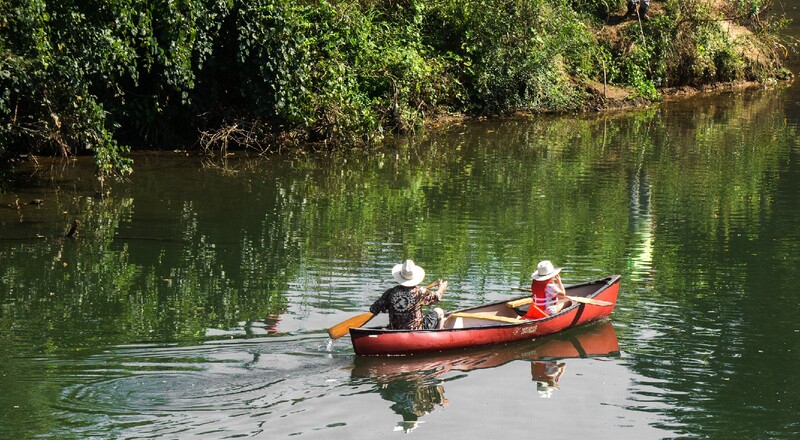
For those so inclined, the Roanoke region offers more than 1,000 miles of trails for hiking, biking and paddling. These include over 400 miles of mountain-biking paths, which account for its being designated as the mountain-biking capital of the East Coast. While I had left my wheels at home, I experienced some of the reasons for that accolade during walking outings along stretches of several of those trails.
Another welcome experience with an interesting story to tell was driving along a stretch of the Blue Ridge Parkway, which winds through Virginia and North Carolina. Much of that road was constructed in the 1930s as part of the New Deal programs that President Franklin D. Roosevelt implemented to put Americans back to work following the Great Depression. After its completion during the 1950s and 1960s, the highway was described as "America's Favorite Drive" by a number of publications.
Enjoying scenic views from that freeway and equally inviting scenes in and close to Roanoke, Virginia, are two of many reasons to include that city on your travel itinerary list. Throw in its artsy vibe, eclectic collection of museums and other attractions, and you'll wonder why you haven't included the community on your must-see travel list.
Adding to the sense of history in Roanoke was my stay at the Promissory. That building opened its doors as a bank in 1882 and helped to finance and shape the city in its early days. Now it's a boutique hotel and event venue with a Spanish-inspired restaurant and wine bar.
WHEN YOU GO
For more information: visitroanokeva.com
Victor Block is a freelance writer. To read features by other Creators Syndicate writers and cartoonists, visit the Creators Syndicate website at creators.com.
Outdoor adventures in Roanoke, Virginia, include paddling on the Roanoke River. Photo courtesy of Larry Metayer/Dreamstime.com/Dreamstime.com.






View Comments