By Jim Farber
On June 10, 1967, one of the man-made wonders of America — architect Eero Saarinen's Gateway Arch in St. Louis — opened to the public. Gleaming in the sun and gracefully ascending to a height of 630 feet (making it the tallest monument in the country), the arch celebrated the spot on the west bank of the Mississippi River where Pierre Laclede and Auguste Chouteau founded the city in 1764. The symbolism of the arch, however, was conceived to commemorate St. Louis as the great gateway to the American West.
As Thomas Jefferson wrote in 1782, "History, by appraising the people of the past, will enable them to judge the future." And few places in America make this point more graphically than St. Louis' Gateway Arch, the adjacent Jefferson National Expansion Memorial and its Museum of Westward Expansion. It is a one-of-a-kind setting where iconic modern architecture and the saga of the westward movement come together.
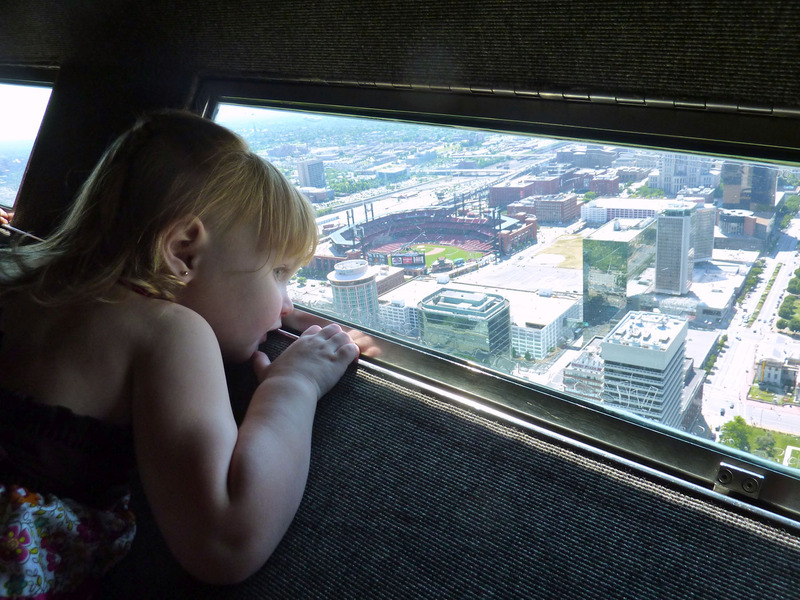
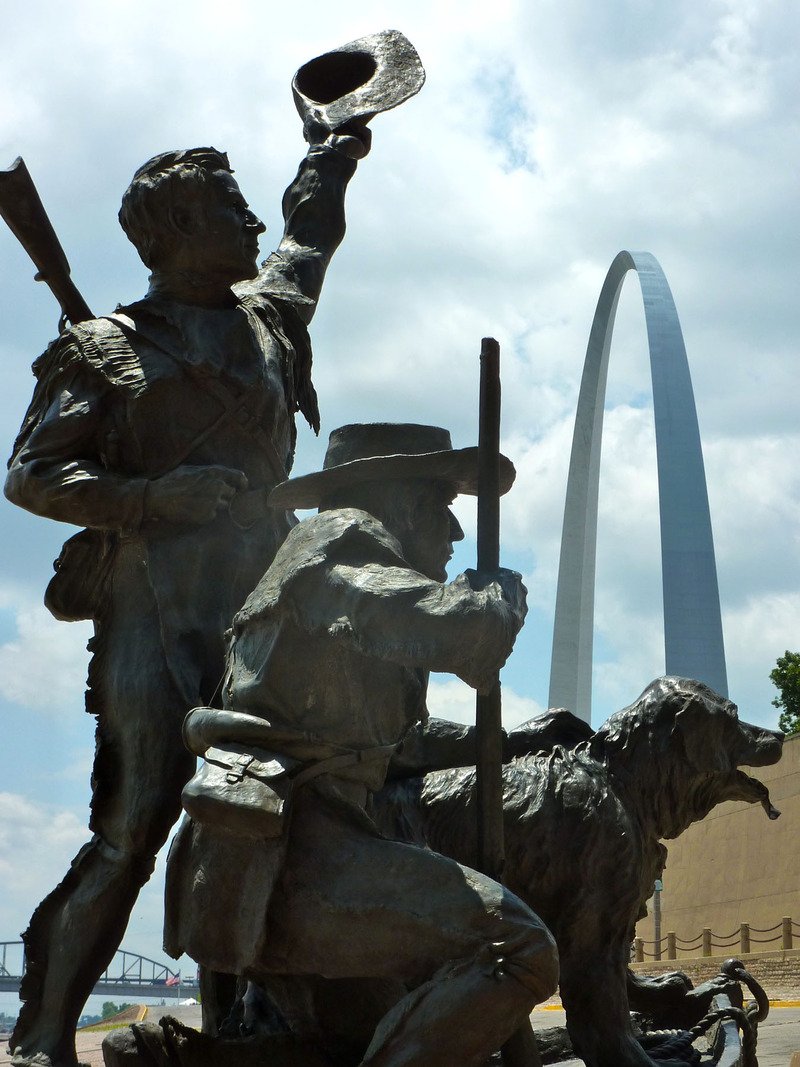
To stand beneath the arch and see it rising majestically toward the sky is a remarkable experience. But the real thrill ride is to take the rather claustrophobic tram (described in the national park brochure as "a unique capsule-transporter") that rises inside the arch to the observation room at the top with its bird's-eye view. To the west you look down on the historic Old Court House where slave auctions were held and the expanse of the city beyond. Move to the other side and you look down on the grand span of the Eads Bridge (built in 1874) across the Mississippi River. And later, if you walk down to the river, you can see the twice-life-size sculpture by Harry Weber commemorating the return of Meriwether Lewis and William Clark to St. Louis in 1806 at the end of their two-year-long expedition.
Whether you come to St. Louis to experience its rich historical heritage, the grandeur (and whimsy) of its civic architecture, the cultural repository of its museums, the natural wonders of its world-renowned zoo and botanical gardens, the diversity of its neighborhoods, the richness of its cuisine, to tour old Route 66 or to take in a Cards game at Busch Stadium, the city has a great deal to offer.
Not far from the Gateway Arch are several buildings that hold honored spots on the National Register of Historic Places. The 10-story red-brick Wainwright Building (709 Chestnut St.) was completed in 1891. Its principal architects were Dankmar Adler and Louis Sullivan. But a young Frank Lloyd Wright also lent his hand to the project. The National Register describes the Wainright as, "a highly influential prototype of the modern office building." It's also an ode to Sullivan's famous axiom that "Form follows function."
By far the most lavish of the downtown buildings is the former St. Louis Union Station (1820 Market St.). Completed in 1894, the station was conceived as a cathedral to industry and incorporated the most dramatic and decorative architectural forms imaginable. Today the meticulously restored grand waiting room, with its figurative arches and stained glass, serves as the lobby for the Doubletree Hotel by Hilton. The one-time platforms have been transformed into a shopping complex, so a visit to Union Station will transport visitors back to the golden age of American rail travel.
St. Louis showcases two historic auditoriums. The Fabulous Fox Theatre (527 N. Grand Blvd.) opened to the public in 1929. It was built in a style called "Siamese-Byzantine" — in other words, pure Hollywood. Its enormous colonnaded lobby, imperial staircase, ornate auditorium and grand chandelier are worthy of "Phantom of the Opera." In comparison, Powell Hall (718 N. Grand Blvd.) is understated and tastefully elegant. Its acoustically bright auditorium serves as home to the St. Louis Symphony.
Anyone who has seen the film "Meet Me in St. Louis," starring Judy Garland, knows about the St. Louis World's Fair of 1903. Its centerpiece was Forest Park, the beautifully landscaped setting where the fair was held. The only building that remains from the fair is the St. Louis Art Museum, but Forest Park, like New York's Central Park and San Francisco's Golden Gate Park, is the heart of St. Louis. It is here that you will find the Missouri Historical Museum, the world-famous St. Louis Zoo and the popular open-air summer theater known as the Muny.
It is almost impossible to describe St. Louis' City Museum. Once a thriving shoe factory, it became derelict until in 1983 it was purchased and transformed by St. Louis' most beloved iconoclast, the architect, Bob Cassily. Part funhouse, part ode to the power of recycling, City Museum is one of the zany wonders of the modern age. Cassily's work appears throughout the city, from his statue of zoologist and TV host Marlin Perkins at the St. Louis Zoo to his popular Turtle Playground.
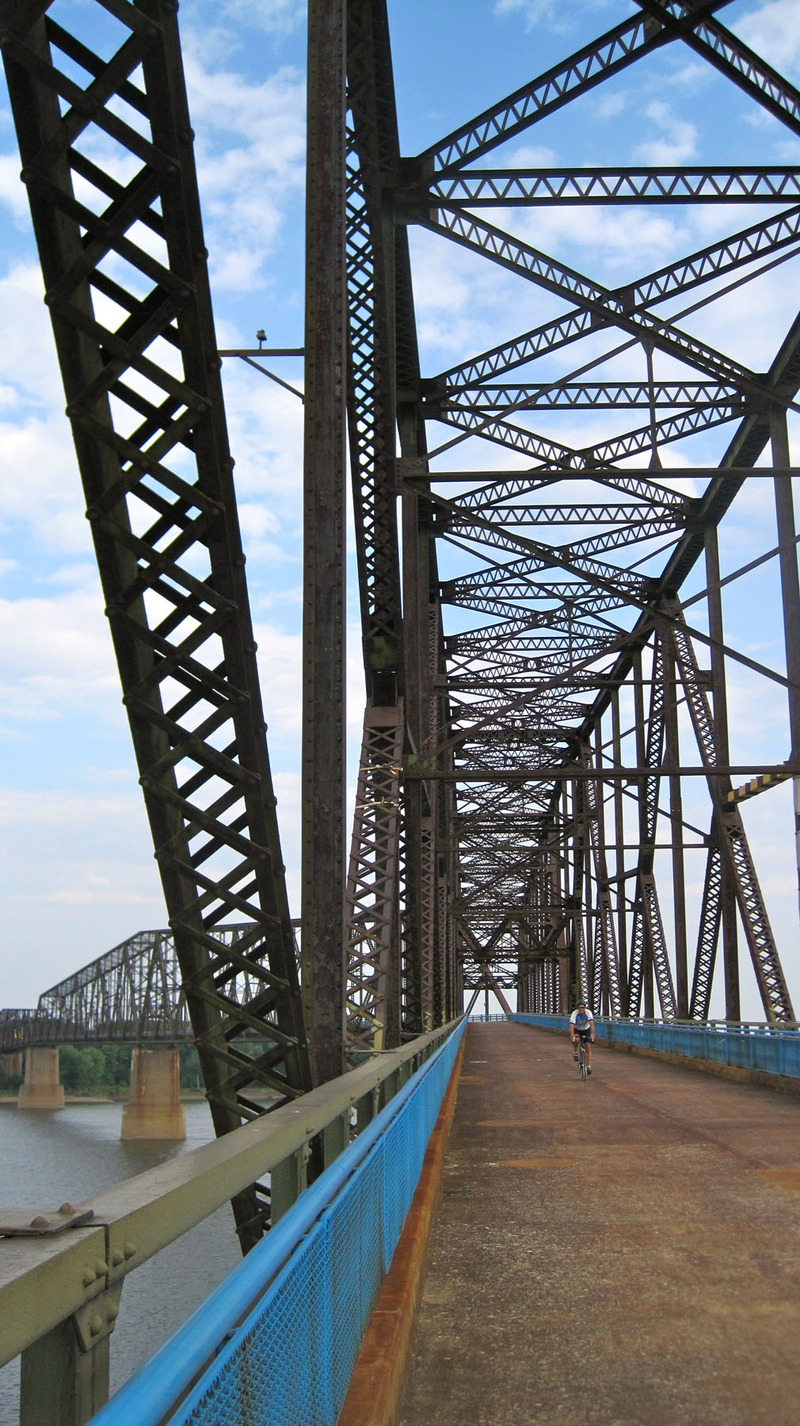
For those who like to "get their kicks on Route 66," two significant landmarks are to be found in St. Louis: Ted Drewes (6726 Chippewa St.), home of the famous "frozen custard," and the historic Chain of Rocks Bridge, which crosses the Mississippi River and has been preserved for pedestrian and bicycle traffic.
There was a time, particularly in the mid-1970s, when St. Louis really hit the skids. But through imaginative restoration programs and civic investment, the city has come back strong, to the point that it is now one of the most visit-worthy destinations in the country.
WHEN YOU GO
For general information: www.exploresaintlouis.com
The Fox Theatre: www.fabulousfox.com
The St. Louis Art Museum: www.slam.com
St. Louis Zoo: www.stlzoo.org
City Museum: www.citymuseum.org
Jim Farber is a freelance writer. To read features by other Creators Syndicate writers and cartoonists, visit the Creators Syndicate website at www.creators.com.







View Comments