Earlier this month, I traveled down to Texas to visit my dad. Twenty years after buying the house that he and my mom lived in after retiring, he's moving.
The house is much the way it was when my mom died four years ago, except for a few things — for example, Christmas cards still on display in April, including the Obama Christmas card that pictures Bo strutting in the snow in front of the White House.
"I'm glad to see you're on the president's Christmas card list," I told my dad.
"I'm on the president's dog's Christmas card list," he corrected me.
On an earlier visit, I had gone with him to see some of the retirement communities he was looking at. In one of the places, the marketing director showed us a grand dining room with floor-to-ceiling windows looking out on the hills. "We have a lot of parties here," she said. "These people know how to get down."
My dad said: "But once they get down, can they get up?"
He's a funny guy, but as most people who meet him can tell in five minutes, he can be cranky, too.
One time, I said to him: "Dad, you're irritable."
"Tom, the world is irritating," he answered.
And he doesn't admire surplus emotion. How much is surplus? Read on.
He was a great dad for little kids. He took me to a Chicago Bears game at Wrigley Field a few days before my seventh birthday. In the second quarter, I had to go to the bathroom. When we were under the stands, I heard a ground-shaking roar and shot a scared look at my dad, who had started running up the stairs to catch a look at the field. Too late. Gale Sayers had fielded a kickoff on the 7-yard line and taken it 93 yards for a touchdown.
Thanks for taking me to the bathroom, Dad.
He forgave me. He did that easily. I remember getting in a spat with him during the family's drive to church when I was 8. When we arrived, I went off on my own and took a seat in the back pew, pouting. He came and found me and whispered: "We get extra points for sitting together."
He was not a theologian but a good shepherd.
He was a calm dad during my early years in high school, a span that accounted for most of my criminal activity. He kept communication lines open, hid (most of) his distaste for my stunts, and waited for me to see that I was in trouble. Then he asked me, "Who do you want to be, and how can I help?"
(Send me to a school where they don't know me, Dad!)
When my brother Matt was dying of AIDS, he was as cool as a dad can get. It was 1986. Fear and ignorance were high. People were getting fired for volunteering for AIDS organizations, because people still weren't sure how you could get it. Dad welcomed Matt's partner into our home, and he joined a support group for friends and partners of people with AIDS. Some days, my dad was the only straight man there. Pretty cool for a Catholic boy raised in the Midwest in the 1930s.
He was a brilliant and funny caregiver also when my mom got sick.
One time, the hospice nurse asked my mom whether the pain medication was making her drowsy. As my mom was saying "I'm not sure," my dad said, "Yes!"
I offered a third opinion. I told the nurse, "If you put both my mom and my dad in comfy chairs at the same time, my dad will fall asleep first." Then Dad said, "But you don't know what I'm taking!"
My mother, an optimistic woman, said she wanted "Ode to Joy" performed at her funeral. My dad said, "If you want 'Ode to Joy' at your funeral, I want a signed statement from you that it was at your request!"
All these memories come back when I return to the house and see the old furniture, the rugs, the art, the photos, the knickknacks and mementos, the ancient yellowed banner marking the last time Notre Dame won the national championship in football, and my funny, cranky, endearing dad, who is now acknowledging a twinge of age.
My brothers and I are helping to manage the move, and he has allowed us to handle some of the responsibilities — an awkward transition for all of us. He's slower and older, but he's still the man whose opinion matters.
A few weeks ago, I told him I was ending my column — that I couldn't keep putting in the hours it took to write something I liked every week. I thought he might tell me not to quit and urge me to keep it up. Instead, he said: "Well, they were good columns. I enjoyed them."
Thanks, Dad. Thanks a lot.
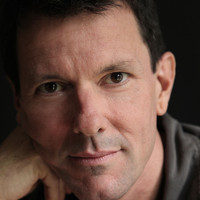
Tom Rosshirt was a national security speechwriter for President Bill Clinton and a foreign affairs spokesman for Vice President Al Gore. Email him at [email protected]. To find out more about Tom Rosshirt and read features by other Creators Syndicate writers and cartoonists, visit the Creators Syndicate Web page at www.creators.com.





View Comments