By Candyce H. Stapen
This summer we punctuated our weeklong three-generation beach stay in Duck, North Carolina, with some of the region's top nature adventures — viewing wild horses, crabbing and shrimping. Fun for adults and kids, the activities engaged us with Outer Banks' culture and history. And with its restaurants, shops and private beaches, Duck serves as the heart of the Outer Banks' vacation corridor.
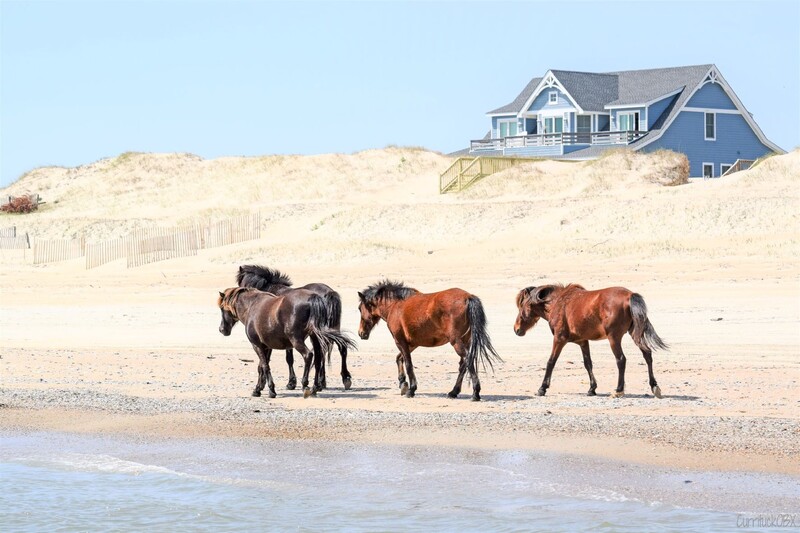
There is something joyous — and encouraging — about seeing Corolla's wild horses. The distinct breed, Spanish Colonial Mustangs, has survived for 500 years on North Carolina's barrier islands. Descendants of the steeds the Spanish brought over in the 1500s, the horses remained or swam ashore from shipwrecks when the retreating Spanish abandoned the region. In 1926, some 5,000 horses roamed a 175-mile stretch of the Outer Banks.
By the 1990s, roads and development had cut the Corolla herd to between 40 and 60. To save the breed, the Corolla Wild Horse Fund relocated 20 mustangs to a safe space farther north. Currently, about 100 horses range across 7,500 acres of public and private land that includes small communities and fronts a beach accessible only by four-wheel drive.
Our first sighting was a lone chestnut mare, majestic and calm, surveying the breaking surf from atop a grassy dune. As we continued along the beach, bumping over sand ledges and ruts, my daughter, son-in-law, grandchildren (ages 7 and 9), my husband and I were grateful for the padded seats in the Wild Horse Adventure Tours' Humvees.
In a small enclave of beach houses, we spotted several groups of four or five that consisted of a dominant stallion, mares and sometimes a shy but curious foal. The bands munched on the coarse grasses, bayberry bushes and fallen live oak leaves surrounding the houses.
For my husband, the term "wild horses" conjured the car commercials of a herd galloping across the plains. He was disappointed. The rest of us were not. The wonder lies not in the mustangs' sprinting but in their continued existence, a triumph of centuries of adaptation and the foresight of the Corolla Wild Horse Fund.
In the Outer Banks, crabbing and shrimping have sustained people since the Indigenous tribes wove nets to harvest the shellfish more than 1,000 years ago. To experience the process, in Manteo we boarded Risky Business, captained by Wes Peele with first mate Cain, his son. They tossed shrimp nets into the Roanoke Sound. Vacationers get to keep whatever they catch.
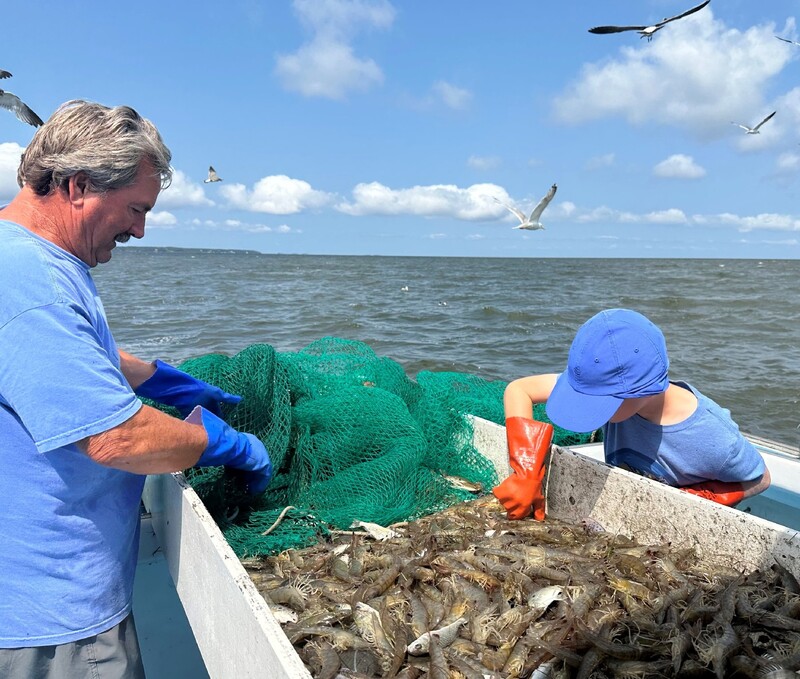
Much to our surprise, 20 minutes later the captain dumped about 45 pounds of the squirming critters, along with some juvenile fish, onto the sorting table. Captain Wes tasked us with throwing the fish back. A score of seagulls hovered above the wake in anticipation. The grandkids, at first hesitantly and then gleefully, hurled the juvenile croakers, flounders and lizardfish into the water.
When one gull caught a fish on the fly, a happy game of pitch and catch ensued. We even petted a bug-eyed pufferfish, blown up to the size of a bounce ball before tossing him back. A second netting brought in 50 more pounds of shrimp. Total haul: 90 pounds.
Since we wanted only a few crabs, we didn't visit Captain Wes' crab pots farther out. Instead, he stuffed a fistful of menhaden bait into a crab pot, flung it overboard twice and we ended up with 12 blue crabs, enough for dinner along with the 20 pounds of shrimp that we kept. We gave the rest to the crew. After a family session of shelling and deveining — and lessons in crab-mallet use at our rental house — we feasted on our bounty for two days.
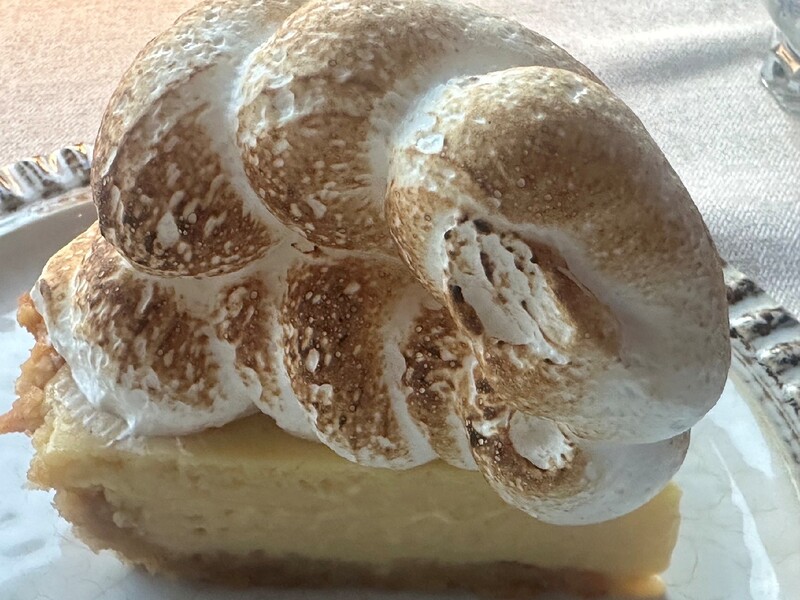
Duck offers exceptional seafood for dinners out. We booked Theodosia, noted chef Vivian Howard's homage to Southern coastal cuisine. We especially liked the tilefish plated with a stewlike mix of corn sausage and butter beans and for dessert, the Three Cracker Lemon Pie. The dining room's high ceilings and deep red and terracotta decor created a soft, upscale ambience.
Theodosia and its neighbor, Paper Canoe, both face Currituck Sound, gifting diners with stunning sunset views. Paper Canoe, with its wood-paneled walls and a buzzy atmosphere, feels more casual. Along with seafood — the scallops were delicious —- the restaurant plates pastas and pizzas.
Temperatures and rental rates in the fall are lower, and festivals abound from bluegrass and jazz to crab and wine. Want more wildlife? Just look up as thousands of warblers, thrushes, plovers and other migrating birds fill the skies.
WHEN YOU GO
Duck: ducknc.gov
Outer Banks Visitors Bureau: outerbanks.org
Wild Horse Adventure Tours, Corolla: wildhorsetour.com
Corolla Wild Horse Fund: corollawildhorses.com
Risky Business Shrimping and Crabbing Charters, Manteo (May through September): riskybusinessouterbanks.com/charters
Theodosia, located at the Sanderling Resort, Duck: thesanderling.com/restaurants-bars/theodosia
Paper Canoe: papercanoeobx.com
Candyce H. Stapen, greatfamilyvacations.com, is an award-winning travel writer, editor, and author. Follow her on Instagram @CandyceStapen, on X @familyitrips, and on Facebook @Familyitrips and Candyce.Stapen. Discover www.HennysKids.org, Stapen's non-profit that brings educational materials to rural schools in Africa. To read features by other Creators Syndicate writers and cartoonists, visit the Creators Syndicate website at creators.com.
A child sorts shrimp to throw back into the sea as gulls wait for the feast during a visit to the Outer Banks of North Carolina. Photo courtesy of Candyce H. Stapen.





View Comments