The main hall of the convention center had been split into several rows, with dozens of separate tables. The interviewers, career professionals from banks, non-profits, or boards, knew automatically to sit against the temporary canvas walls below a printout of a number. The students would sit across from them. The older men and women knew the invisible rules of a job interview, but the hundreds of high schoolers, who would come in throughout the day, would not.
As I shimmied behind my table as an interview was in progress next to me, I caught the neighboring table's tablecloth and slid all their paperwork away. "Lesson for today," I said to the student, "is that unexpected things can happen during an interview."
Volunteer opportunities tend to happen in unexpected ways as well. I figured I'd get a bit more of a scenario of how I'd be interviewing. Was I a small business owner who was scraping together enough to get an assistant? Or a corporate boss tapped in after the HR lady had stormed out before lunch? I could ham it up for any scenario. Unfortunately, it was only a list of the tried and true, and utterly lame, questions: Why do you want this job? Where do you see yourself in five years? What is your greatest weakness?
My first interviewee suffered under my groans until I told him that it wasn't him, it was these questions. I decided on a different tack: letting them in on the fact that some people who hire find all of this as debasing as they might. I told him that the question about weakness was driving at was how you overcome something in your personality that might not necessarily be conducive to capitalism.
"You're not talking about how you doomscroll too late," I said as he stared at me wide-eyed, "Or that you're a workaholic who cannot get enough of the joys of retail. I'm saying, you talk about how you have a love-hate relationship with your alarm, but that you realized that a different method, maybe a sunshine light alarm clock, made you realize that you're a problem solver."
"I do hate my alarm clock," he said.
"Great, use that story, free of charge," I replied.
Each interviewee lasted about 10 to 15 minutes. We did the rote questions and then I'd tell them that I'd fill out their scorecard awkwardly in front of them. Some of them were absolutely told to keep unrelenting eye contact, which would get the highest score with a bit of an eye twitch, but not one was told about one item on the checklist.
"Thank me using my name," and I'd dramatically nod my head toward my name on a paper tent in front of both of us, with my pen held up on the scorecard. One slowly asked, "Miss? Mrs.?" I told him that was a wonderful question and to go with Ms. if it wasn't clear because Mrs. was my mother.
It was the snippets of advice that came up organically that were worth more than the questions. One was staunchly on the path of becoming a barber. He had a name for his location. He worked with his hands. He had a deep faith. He knew that he was alone in the world but wanted to help people.
"I'll give haircuts to people who need them for free," he said. "I mean, nothing is for free," he looked down at his hands, "but I can do that because I want to help my community."
"Hey, I'd like you to remember one thing. When your community wants to help you, let them," I said. "There are people who are just like you and the gift you give them is letting them help you until you're ready to help the community."
He looked around at the tables and back at me. "Just like you guys here interviewing. Thank you, ma'am."
Another boy also knew he wanted to go into a life of service, a firefighter's son, who had already interned in the ways that his age and the department could let him. He broke my heart a little when he said, "You know, I may not ever be the smartest person in the room, but I will work so hard that everyone will know I can be relied on."
Oh, world, be kind to these kids.
We bonded a bit over ADHD, with both of us having trouble with focus, and I saw him shift from intense eye contact to relaxing into a sincere smile. "You understand," he said.
"I do," and handed his perfect scorecard back, "and a lot of people will, too."
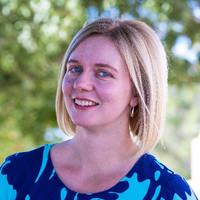
Cassie McClure is a writer, millennial, and unapologetic fan of the Oxford comma. She can be contacted at [email protected]. To learn more about Cassie McClure and read features by other Creators Syndicate writers and cartoonists, visit the Creators Syndicate website at www.creators.com.
Photo credit: Christina @ wocintechchat.com M at Unsplash






View Comments