When I read about civil rights activist and minister Dr. Bernard LaFayette Jr. passing away earlier this month, I thought about how almost all the heralded foot soldiers of the civil rights movement who were momentous leaders during my youth have left us. LaFayette's passing comes in the wake of the death of the Rev. Jesse Jackson, a much more well-known figure, although LaFayette also worked on social justice initiatives in Latin America and South Africa. He was one who tirelessly labored behind the scenes, organizing voter registration drives in Selma, Alabama, which helped push the Voting Rights Act through Congress in 1965.
LaFayette described to a younger generation how he got "hooked" into joining the civil rights struggle in the documentary "John Lewis: Good Trouble," which was released in 2020, the year we lost Congressman Lewis and the Rev. C.T. Vivian, both of whom worked closely with Dr. Martin Luther King Jr. LaFayette and Lewis were roommates at Nashville's American Baptist Theological Seminary (now American Baptist College). They were trained in nonviolent protest strategy by the Rev. James Morris Lawson Jr., who died in 2024, and also helped organize the sit-ins at downtown Nashville lunch counters with Fisk University student leader Diane Nash and minister James Bevel. Nash, LaFayette and Lewis were founding members of the Student Nonviolent Coordinating Committee in 1960. "Good Trouble" shows how both Lewis and LaFayette felt an inner calling as young men to fearlessly join the movement's front lines, knowing they might lose their lives. LaFayette at first declined Lewis' constant invitations to attend the workshops led by Lawson, telling Lewis that he did not have time and needed to concentrate on his studies. But Lewis kept urging LaFayette to get involved, and one scene in "Good Trouble" captures the passion that eventually compelled LaFayette to stand up against what Lewis called an "evil system" of racial segregation. LaFayette is reading a letter from his mother while he and Lewis are sitting near a pond with another mentor. In the letter, LaFayette's mother asks him why he is taking such a dangerous risk to join the movement, pointing out that Whites were helping him financially in school. "What about the people of your race?" she asks. "What are they giving you?" Looking a bit perplexed while still showing respect for his mother's concerns, LaFayette says, "I mean, I know she cares for me. ... I know she loves me, but she just (doesn't) understand."
LaFayette decided to drop out of college in 1961 to join the Freedom Riders, challenging segregation in interstate transportation in Alabama and Mississippi. Like Lewis, he was beaten and arrested for his courageous acts of nonviolent protest. LaFayette also had a beautiful tenor voice, and "Good Trouble" highlights how songs of praise to God fueled the spiritual strength of the Freedom Riders. In a scene at Brown Chapel AME Church in Selma, featuring Freedom Ride singer Charles NeBlett, LaFayette explains how a song was written about Black and White children not being able to play together, called "Dogs." LaFayette sings a melodious yet simple verse: "My dog loves your dog, and your dog loves my dog, then why can't we sit under the apple tree?" By observing the animals' everyday interactions, people saw how absurd segregation was.
LaFayette would later work with King on the Poor People's Campaign in 1968, serving as the national coordinator. After King's assassination that year, LaFayette returned to American Baptist to finish his bachelor's degree and went on to earn a master's and a doctorate from Harvard. Many years later, in his 2013 memoir "In Peace and Freedom: My Journey in Selma," LaFayette said he drew inspiration from Christ and other prominent New Testament believers, such as Paul and Silas, who were prosecuted for their faith. He was also moved by King's emphasis on God's love for all people. It was this Christian precept of love that enabled LaFayette, Lewis and so many others in the movement to be able not to fight back while being attacked by mobs and viciously insulted with racial slurs. It was this love that guided LaFayette in his meticulous organization for advancing civil rights objectives, making him a global leader in social justice. Young activists today need the type of mentorship and Godly guidance that LaFayette provided, a strategy built on love and not hatred of those who oppress.
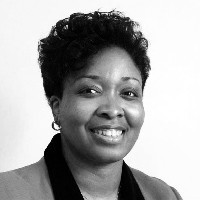
Dr. Jessica A. Johnson is a lecturer in the English department at Ohio State University's Lima campus. Email her at [email protected]. Follow her on X: @JjSmojc. To find out more about Jessica Johnson and read features by other Creators Syndicate writers and cartoonists, visit the Creators Syndicate website at www.creators.com.
Photo credit: Library of Congress at Unsplash






View Comments