By Victor Block
Bill and Betty Price were living their lifelong dream of viewing manatees, the large, endearing cowlike water mammals, in their natural habitat. Tom and Sarah Hughes and their teenage twins were exploring the land of the Chinookan peoples, Indigenous native tribes that have lived in the Pacific Northwest since at least 4,000 B.C. and continue to do so. Sam Beatty, a dedicated birdwatcher, was aiming his binoculars at a vast variety of flying fowls seeking refuge at a resting and feeding area in California.
Despite their differences, these experiences shared a common thread: All were taking place at one of the natural habitats that comprise the National Wildlife Refuge System. The goal of the more than 560 enclaves that make up this network of land and waterways is to preserve, manage and, where appropriate, restore fish, wildlife and plant resources, and their habitats. In doing so, they protect iconic species and provide outstanding opportunities for viewing wildlife throughout the country.
The genesis of this network was the creation of the Pelican Island Refuge in Florida by Theodore Roosevelt in 1903. He established the U.S. Forest Service and 150 national forests, 51 federal bird reserves and four national game preserves, totaling about 230 million acres of public land.
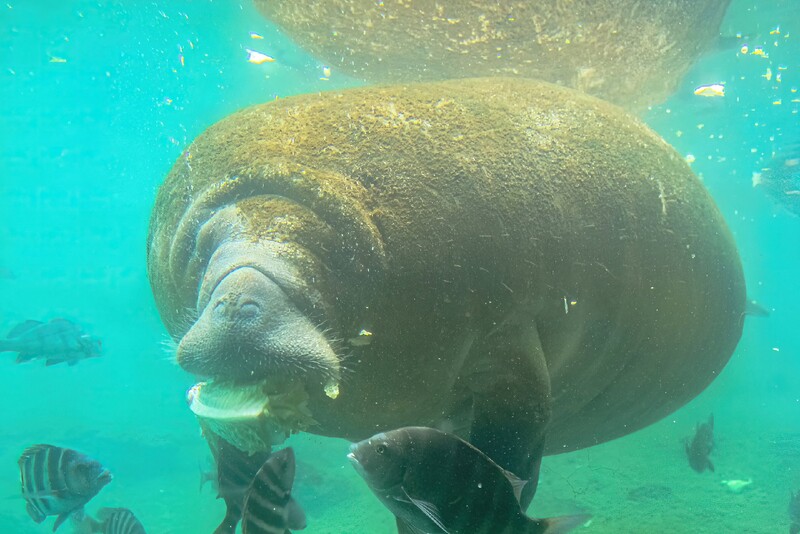
The Prices marveled at the manatees that gather in the warm water of the Crystal River National Wildlife Refuge on the west coast of Florida. It consists of 20 islands and several small parcels of land accessible only by boat. The visitors center has displays and interactive exhibits, kayakers glide by seeking manatee sightings and lucky viewers may catch sight of the droll creatures from the dock.
Human mammals that lived long ago were what intrigued the Hughes family as they toured through the Ridgefield Refuge in Washington state. They were reliving the lives of Chinookan tribes, Native Americans whose name is believed to have been derived from the word for "fish-eaters" or "strong fighters." One attraction there is the full-scale replica of a plank house, the kind of rectangular post-and-beam structure that once served as homes and that varied in size from 30 to 400 or more feet long.
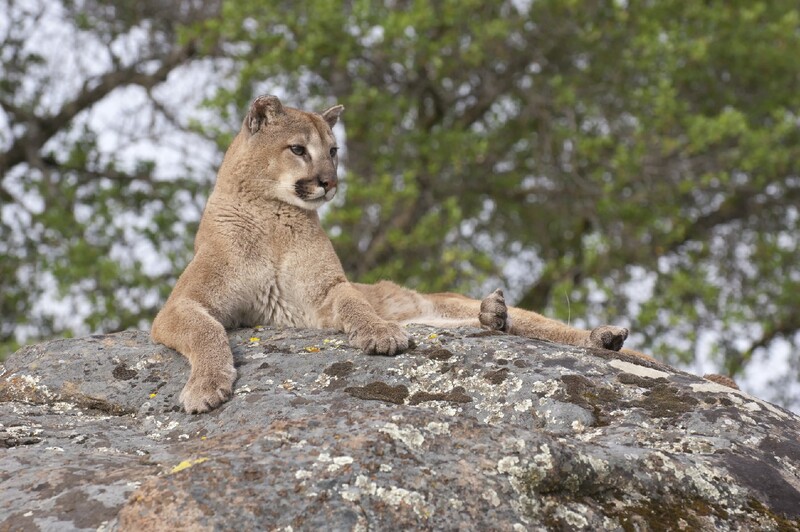
Birds were the primary object of Beatty's attention at the Humboldt Bay Refuge on California's northern coast. Its wetland habitats provide a safe resting place for tens of thousands of ducks, geese, swans and other land and waterfowls as they migrate along the Pacific Flyway. More than 200 species — four of them rated as endangered — regularly feed, rest and nest in and near the refuge. They're joined by porcupines, mountain lions, minks and other mammals that also find the setting to their liking.
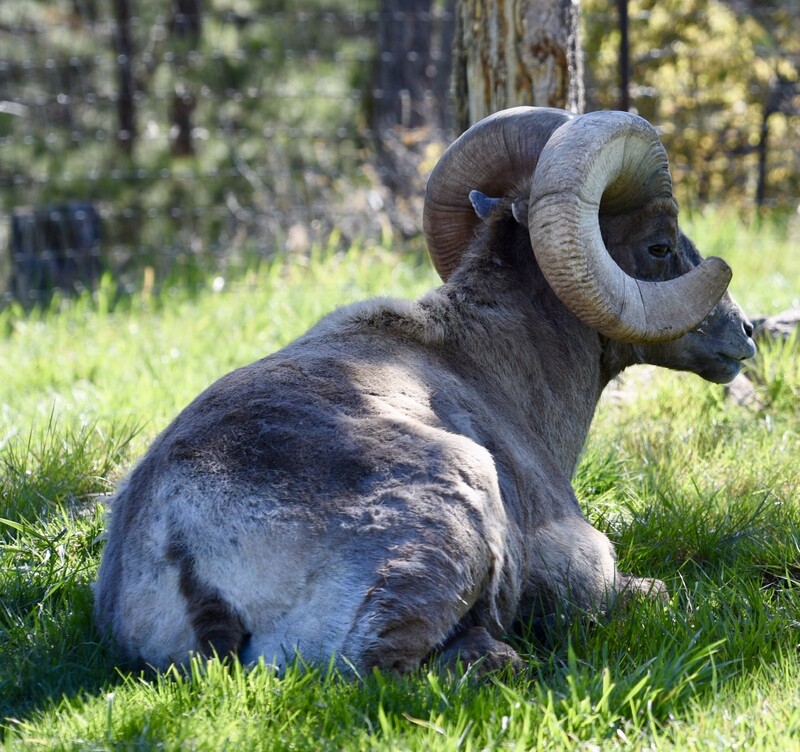
Bighorn sheep are a subject of attention for visitors to the Havasu Refuge, which sprawls between California and Arizona. They share the sanctuary with endangered Southwestern Willow Flycatchers, small brownish-olive-colored birds that can be identified by their distinctive whistling, sneezy-sounding cry. Other residents of the area include bobcats, cougars and coyotes.
Several species of armadillo are listed as vulnerable or threatened, so people who spot one when visiting the Bon Secour Refuge in Alabama consider themselves to be lucky. Bon Secour, whose name means "safe harbor," also protects beaches, sand dunes, saltwater and freshwater swamps, and upland forests. Among endangered species that make their home there are the Alabama beach mouse and green loggerhead and Kemp's ridley sea turtles.
Bald eagles are the most sought-after form of wildlife by many visitors to the Crescent Lake Refuge in Nebraska. Since 1994, pairs of those majestic birds have produced an average of two eaglets each year. During the annual fall migration they're joined by some 200,000 ducks, Canada geese, herons and other waterfowls during their flight to the south. More than 200 species of birds have been sighted in the area, which they share with raccoons, prairie dogs, bobcats and about 40 other species of mammals.
The Sandy Point National Wildlife Refuge on St. Croix in the U.S. Virgin Islands provides crucial nesting habitat for endangered leatherback, hawksbill and green sea turtles. But it's best known as the site of a prehistoric habitation site, cemetery and conch-shell heap. Excavations have unearthed pottery, stone tool fragments and human remains. The site gained movie fame when the last scene of "The Shawshank Redemption," the 1994 motion picture, was filmed there.
In addition to their diversity in terms of terrain, resident wildlife and other features, members of the National Wildlife Refuge System come in all sizes. The Arctic site in Alaska, largest in the group, is about the size of South Carolina. Given that scope, it encompasses a vast landscape of ecological variety and cultural traditions and offers a critical home to resident animals and migratory birds.
At the other end of the spectrum is the Mille Lacs National Wildlife Refuge in Minnesota, two islands in Mille Lacs Lake that together cover about a half-acre of land. They're inhabited by pelicans, gulls, cormorants and other nesting birds. While the islands are closed to the public, people can approach them in boats for a look-see.
WHEN YOU GO
For more information: fws.gov.
Victor Block is a freelance writer. To read features by other Creators Syndicate writers and cartoonists, visit the Creators Syndicate website at creators.com.
Manatees congregate in the waters of Crystal River National Wildlife Refuge in Florida. Photo courtesy of Bennymarty/Dreamstime.com.







View Comments