Q: What are the guideposts for teaching preschool children in the home? How much effort or pressure should be exerted when it's no longer fun for the preschooler?
My daughter adopted a child when she was in her late 40s. She's left her career and spends her entire time teaching and caring for her daughter. It seems too much to me, and I'm worried about the pressure her daughter may be feeling.
A: Teaching preschool children in the home can be an important key to enhancing their intelligence and self-confidence. Early environments are very important because brain growth is rapid during the preschool years. Too much teaching, however, can cause children to feel pressure and can also cause them to become dependent on attention and positive reinforcement. In other words, they're likely to learn rote material by early teaching but not necessarily how to think about things.
Preschool children learn much through play including opportunities to explore, pretend, imagine, build with Legos or blocks, do puzzles, write, color, draw, paint, cut, and paste. Learning through play is as important or perhaps even more important than formal teaching of letters, numbers and reading. Preschool children also learn much by being read to and engaging in conversation. In addition, they need time to play, share, chat and laugh with other children.
I don't want to accuse your daughter of putting pressure on your granddaughter, but spending too much time teaching if the child isn't ready or interested can cause a child to feel pressure. Also, too much or too high of praise for learning can cause a child to internalize pressure to achieve impossible goals. Praise, as well as the words that surround a child, set parental expectations for children. For example, if children hear they are smart, kind, good thinkers or hard workers, they'll typically internalize the positive words as what they are and can become. However, if the praise words are "est" words such as best, smartest, most beautiful or best athlete, they can internalize those high praise words as expectations. Those words can be motivators temporarily, but they typically end up feeling like impossible goals to achieve, thus causing the pressures that children feel. Some positive and moderate praise is crucial to setting high expectations, but too much or too extreme of praise is too much of a good thing and can cause serious problems.
Your daughter may not be open to your recommendations. Many young parents aren't because they want to be independent and raise their own children. That's mostly as it should be. My articles on the pressures bright children feel and how children learn through play could be helpful to your daughter.
When you visit your granddaughter, you can do fun things with her such as play games, read, take her for walks, and tell jokes and stories. Sometimes you can just sit nearby and enjoy watching her play or you can drink an imaginary cup of tea with her at her tea party.
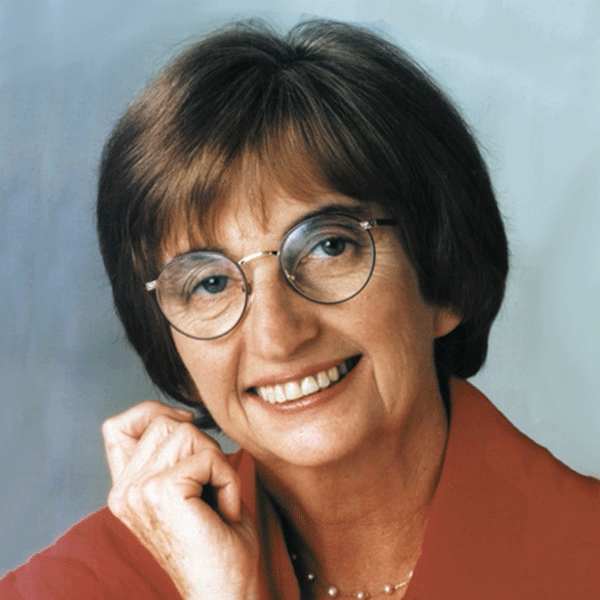
For free newsletters about pressures that children feel and how children learn from play, send a self-addressed, stamped envelope for each newsletter to the address below. Dr. Sylvia B. Rimm is the director of the Family Achievement Clinic in Cleveland, Ohio, a clinical professor of psychiatry and pediatrics at the Case Western Reserve University School of Medicine, and the author of many books on parenting. More information on raising kids is available at www.sylviarimm.com. Please send questions to: Sylvia B. Rimm on Raising Kids, P.O. Box 32, Watertown, WI 53094 or [email protected]. To read features by other Creators Syndicate writers and cartoonists, visit the Creators Syndicate website at www.creators.com.



View Comments