Anytime Congress passes a 2,300-page law that creates more than 500 new regulations and sets up a new, complicated bureaucracy, we should be nervous. And the major financial overhaul that has cleared the final hurdles in the Senate proves the rule. The legislation — the brainchild of Sen. Chris Dodd, D-Conn., and Rep. Barney Frank, D-Mass. — is the biggest overhaul of the nation's financial industry since the 1930s. Its Democratic supporters claim it was necessary to prevent another economic meltdown like the one we suffered in 2008.
But no one knows whether it will do any such thing. Even Dodd acknowledged this week, "(Americans) don't ask for perfection. They know we have not solved every problem and that we are not going to bring back their homes and their jobs; but they expect us to respond to the situation that brought us to the brink of financial disaster. This is our best effort to do so."
The bill goes far beyond attempting to regulate the risky derivatives market that led to the credit crisis in the fall of 2008, however. The bill literally touches every American who hopes to buy anything on credit in the future, dictates new capital standards for banks and other institutions, paves the way for new rules for selecting corporate boards of directors, and gives the government broad new powers to seize financial firms.
Like most Democratic solutions, this one rests on bigger government with greater powers to inject itself directly into the economy. Instead of allowing the free market to work — which entails risk of failure — the government will now try to foresee all possible dangers and attempt to prevent them.
A new Federal Insurance Office will monitor the insurance industry to try to prevent "systemically important" insurers — like the 2008 version of AIG — from going under. A new Financial Stability Council will assess risks of large financial institutions and could even break up firms it deems too risky. A new Consumer Financial Protection Bureau in the Federal Reserve will make new rules for large banks, credit unions and other consumer lending companies — except for car dealerships, which managed to get themselves excluded through their political clout.
But the unintended consequences may well be tightening credit for consumers and businesses. In its attempt to protect individuals (and businesses) from the consequences of their own bad decisions, Big Government will now try to foresee all possible risks and mitigate them. How noble. And how naively Utopian.
Don't get me wrong. I'm not opposed to all government regulation. It's a question of how much and what kind. The best type of regulation, in my view, is one that promotes transparency. Security and Exchange Commission regulations that force companies to disclose audited financial information to investors promote good business practices. Rules that require companies to report the salaries, bonuses, and perquisites of top executives provide a check on excessive compensation. Regulations that force lenders to disclose accurate information on the costs of borrowing protect consumers without constricting credit. Requiring that financial institutions keep records and report the complicated derivative instruments they devise and swap makes sense. But empowering government agencies to make decisions on what constitutes too much risk doesn't.
Dodd claims, "The American public expects nothing less of us than to fashion proposals that will minimize great risks to them." But what about the risk of government overreach?
The Obama administration and Democrats in Congress have already revamped the American health system. Now they intend to overhaul the U.S. financial system. Yet few of the people in charge of this massive government intrusion have any experience in the industries they think they know best how to run.
A government that can't even pay its own bills and must borrow against the future earnings of people not yet born seems a bad choice to oversee the financial well-being of the nation.
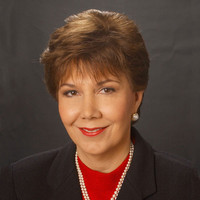
Linda Chavez is the author of "An Unlikely Conservative: The Transformation of an Ex-Liberal." To find out more about Linda Chavez, visit the Creators Syndicate web page at www.creators.com.


View Comments