Gray Water
We use up to 36,000 gallons of water per person per year, topping over 146,000 for a family of four, according to the Environmental Protection Agency. That's a lot of freshwater funneled down the drain and into overflowing septic tanks and sewers. At least half that water could be recycled and used again. That half is called gray water.
Gray water is not to be confused with black water, which flows from toilets and kitchen sinks. Gray water is from the bathtub, shower, sink, laundry and dishwasher and contains very little pathogens. While this water is not for human consumption, it is fine for watering landscaping, flushing toilets or washing clothes. People who travel in recreational vehicles understand this concept very well.
Some water-conscious homeowners are designing gray water plumbing systems into their new homes. According to the Department of Housing and Urban Development's Partnership for Advancing Technology in Housing (PATH) Program, to install a gray water reuse system in a new home costs from $500-$2,500. Homeowners' costs may vary depending on local code requirements for gray water and the costs of monthly treatment and water quality tests.
A built in-home gray water system separates gray water from black water and drinking water. It filters and sterilizes it without using chemicals then pipes it into a cistern for use in exterior watering and clothes washing. A screen catches hair and fibers, then special biocultures in a second chamber filter out organic compounds. An ultraviolet light sterilizes the water on its way to storage.
While that's all nice if you're building a new home, it's not as easy to retrofit an existing home. Many people have taken to building their own simple gray water systems. You can watch a simple how-to video on YouTube about building a sink into the back of a toilet. Water from the sink fills the tank for the next flush. There's a wonderful website and book produced by the Gray Water Guerrillas called "Dam Nation" which offers plans for simple gray water systems and an overview of the politics of water.
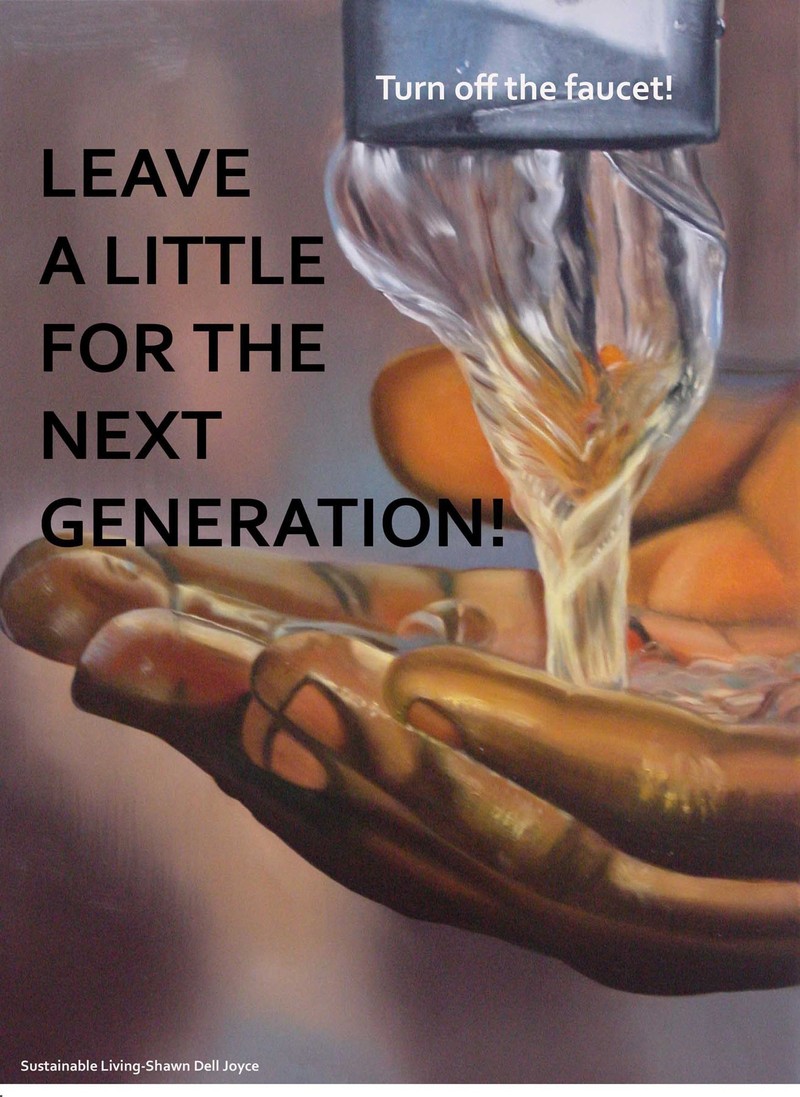
Right now, more than a quarter of the world's population does not have access to safe drinking water. That's one out of every four children, men and women on this planet. The United Nations has set the goal of halving that thirsty number as one of its millennium goals. If we all made a little effort to conserve and reuse water, we could save enough water per person to quench the thirst of 300 people per year.
Here are some simple gray water ideas that anyone can do in your own home:
—Keep a large bowl in the kitchen sink to catch spilled water. Take it outside and use it to water the trees and shrubs.
—Don't pour leftover drinking water down the drain; pour it into a pet's dish or houseplant.
—Run a hose from your bathtub to the lawn and siphon out the bathwater to water the lawn.
—Attach a rain barrel to the downspout of your gutters and use the rainwater to water your garden or wash your car.
Shawn Dell Joyce is an award-winning columnist and founder of the Wallkill River School in Orange County, N.Y. You can contact her at [email protected]. To find out more about Shawn Dell Joyce and read features by other Creators Syndicate writers and cartoonists, visit the Creators Syndicate Web page at www.creators.com.







View Comments