Most of us, with pen and paper, could figure out that there are 168 hours in a week. The way we invest those hours determines how happy, healthy, prosperous and secure we are, how many friends and good family relationships we have, and how much peace of mind and hope are ours.
Health authorities tell us that we should get at least eight hours of sleep every night to maintain optimum health. Add to that eight hours of sleep a minimum of an hour a day preparing for bed and/or getting out of bed, showering, shaving, making up, dressing, and so on. There goes nine hours each day, seven days a week, for a total of 63 hours!
Most of us work eight hours a day, and some many more than that, but for the person on an eight-hour day, getting to work, coming home from work and winding down requires an additional hour, morning and evening. So there goes 10 hours a day, five days a week, for a total of 50 hours. Already, 113 of our 168 hours are committed.
If we're honest, we'll acknowledge that an hour is invested in each meal, not in the eating only but also in waiting to be seated, ordering, then waiting for the check; or driving to and from the grocery store, shopping and preparing the food — there goes 21 hours. Now we have used 134 hours, leaving us 34 of the 168 hours to spend with our families, exercise, socialize; devote time to personal growth, relaxation, church, reading, doctor/dentist appointments, and so on. It makes sense for us to plan those hours, or we will have no time for ourselves.
We spend a great deal of time in pursuit of income to provide for our families. I frequently remind people that money is not the most important thing in life, but it is reasonably close to oxygen. It is needed to function in life. But how much do we need, and how many hours do we invest in pursuing those dollars?
Consider this: "If all the gold in the world were melted down into a solid cube, it would be about the size of an eight-room house. But all that gold — billions of dollars' worth — could not buy a friend, character, peace of mind, a clear conscience or a sense of eternity." This suggests we should look carefully at where we are investing our time to see if we are going to end up at the end of life's road, look into the end zone, and be able to see many of the things money will buy and all of the things money won't buy. I believe if we give this careful thought, we will re-plan, re-evaluate and perhaps change some of our priorities.
Sheila Murray Bethel, a friend and fellow speaker, observed that she had never met a retired individual or senior citizen who stated that if they had to do it over they would go to the office earlier, stay later, work harder or do anything they could to climb higher and faster on the ladder of success. However, she said she had met numerous individuals who said that if they had it to do over they would spend more time acquiring the things money can't buy and a little less time looking for the things that money will buy.
In short, they were saying: "I'd spend more time with my family, take better care of my health, get involved in civic and community activities and make contributions to mankind in general."
That's a pretty good game plan for life. A study reported in Psychology Today confirmed that those people who are active in the community doing good for others are so energized by it that they are more effective in their careers and, consequently, move even higher up the ladder.
Message: Balance your life for a better life.
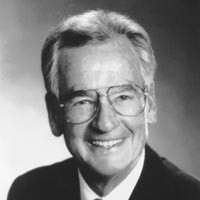
To find out more about Zig Ziglar and read features by other Creators Syndicate writers and cartoonists, visit the Creators Syndicate Web page at www.creators.com. Subscribe to Zig Ziglar's free e-mail newsletter through [email protected].






View Comments