Q: My question is related to my role as a high-school teacher. I have my master's in special education with a concentration on students with emotional disabilities. I've taught for the last 15 years as either a special education or English teacher, mostly with students in 9th and 10th grades. I've worked with all levels from functional to honors and from what co-teachers, students and parents say, I'm really talented as an educator, especially in helping students with unrealized talents develop their skills.
This year, I feel we're in a cycle of students who are similar to the ones you describe in your books and talks as being raised with the inverted V. That is, they seem over-empowered and only want to do things in school their own way and not necessarily the right way. As an educator, what techniques can I use to work with these students? I realize that as I finish reading your book, I'll have a better understanding of how to parent my children, but since I can't parent students, I'm curious about how your advice will change.
Thank you for your time and the work you've done to help students and parents, including me.
A: Over-empowered students are often at their most difficult at the high-school level when some seem to be sure they know more than their parents and teachers. Underlying their sometimes very rebellious behaviors, there continues to be a child who would like to be successful. You have to take them aside privately and find out about their dreams and wishes. They thrive on admiration, but if you believe in them and can help them along the path to their dreams, they're often willing to work hard.
You'll have to convince them that there are trade-offs in their lives and if indeed they want to pursue that career of their dreams that will afford the creativity and passion for which they're searching, they'll need to accomplish some of the humdrum foundational skills that will lead them in the right direction. My book "Why Bright Kids Get Poor Grades And What You Can Do About It" has a road map for you. In my third edition, I include an acrostic, which concisely provides a pathway to helping those over-empowered underachievers to find their direction. I've included the acrostic here and you can find much more to help you in my book.
Alliance for Reversing Student Underachievement
Ally with the student privately about interests and concerns.
Listen to what the student says.
Learn about what the student is thinking.
Initiate opportunities for recognition of the student's strengths.
Add experimental ideas for engaging curricular and extracurricular activities.
Nurture relationships with appropriate adult and peer role models.
Consequence reasonably but firmly if the student doesn't meet commitments.
Emphasize effort, independence, realistic expectations, how strengths can be used to cope with problems and extend possibilities patiently.
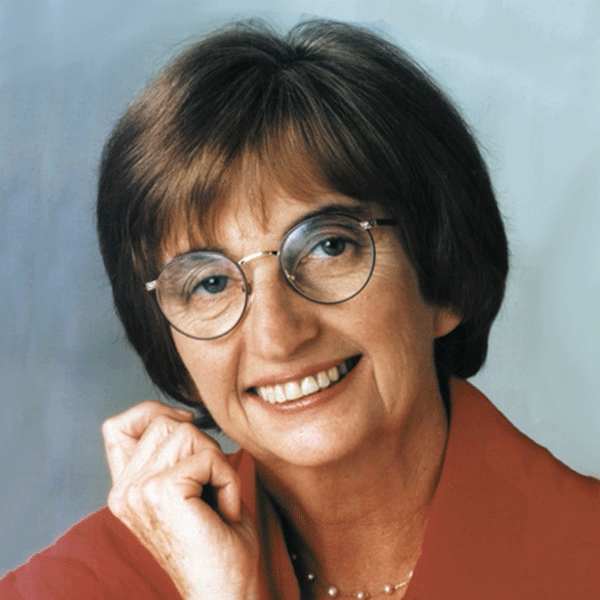
For free newsletters about how over-empowerment leads to underachievement or "Why Bright Kids Get Poor Grades And What You Can Do About It" (Great Potential Press, 2008), send a self-addressed, stamped envelope for each newsletter to the address below. Dr. Sylvia B. Rimm is the director of the Family Achievement Clinic in Cleveland, Ohio, a clinical professor of psychiatry and pediatrics at the Case Western Reserve University School of Medicine, and the author of many books on parenting. More information on raising kids is available at www.sylviarimm.com. Please send questions to: Sylvia B. Rimm on Raising Kids, P.O. Box 32, Watertown, WI 53094 or [email protected]. To read features by other Creators Syndicate writers and cartoonists, visit the Creators Syndicate website at www.creators.com.






View Comments