Q. My husband and I are expecting our first child soon. Both of us were very sensitive as children. I cried and he would get sick to his stomach. My stepfather decided that the best way to rid me of my crying habit was to tease me daily and encourage my siblings to do so as well (I was also teased at school). After six years I finally learned to ignore cruel words, but it left me with poor self-esteem and resentment that my mother and father didn't protect me. My husband's parents bribed and coddled him in stressful situations. He didn't learn to handle his anxiety until after we were married.
I think it's likely that we'll have a shy and sensitive child, and I don't know how to encourage a bolder attitude. I don't want my child to be an outcast as we were.
A. Children are born with different temperaments, but shy and sensitive children can be helped to be stronger and more resilient. Neither being too hard on them nor overprotecting them builds their courage. Instead, noticing their courage and quietly praising them for their small risks taken, valuing their sensitivity, but not their oversensitivity, teaching them responsibility and not permitting their fears to interfere with their social participation are all teaching tips that will help you as you raise your new child. Plenty of affection from both parents helps, but attending too much to tears can be overprotective. Some gentle teasing isn't harmful, but as you know, public teasing in front of family and friends can be very hard on children.
Enroll your children in plenty of activities as they are ready, but don't give them too many choices too soon. Sensitive children tend to reject choices for fear of trying new activities. That soon becomes an argument to try to convince the shy child to join. If you just sign them up for something you think they'd enjoy, they'll be less resistant and will soon find themselves actively involved and making friends. I don't mean they need to be overly involved, because you'll always want to save precious family time together for working, game playing, laughing and talking together.
You'll also want to be sensitive to your referential talk — conversation among adults that takes place within children's hearing. If you and other adults constantly refer to your children as shy or oversensitive, they'll soon believe they can't change those traits. Instead, refer to them as becoming more friendly, brave and kind, and you'll soon see they live up to those characteristics.
I think you'd find my book "How to Parent So Children Will Learn" (Great Potential Press, 2008) very helpful, and I do talk about shy or dependent children in the very first chapter. Incidentally, "How to Parent So Children Will Learn" has just won a Parenting Media Award based on practical and effective parenting strategies.
For free newsletters about raising preschoolers, or about the principles of parenting, send a large self-addressed, stamped envelope to P.O. Box 32, Watertown, WI, 53094, or read "Raising Preschoolers" at www.sylviarimm.com.
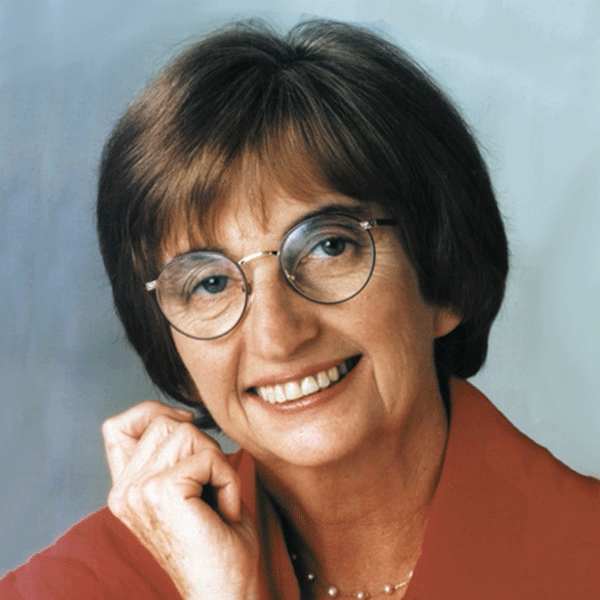
Dr. Sylvia B. Rimm is the director of the Family Achievement Clinic in Cleveland, Ohio, a clinical professor of psychiatry and pediatrics at the Case Western Reserve University School of Medicine, and the author of many books on parenting. More information on raising kids is available at www.sylviarimm.com. Please send questions to: Sylvia B. Rimm on Raising Kids, P.O. Box 32, Watertown, WI 53094 or [email protected]. To read features by other Creators Syndicate writers and cartoonists, visit the Creators Syndicate website at www.creators.com.





View Comments