Civility in public discourse is important, but it should not be used as an excuse to stifle legitimate debate or denude our language of color, passion, or good metaphor. Unfortunately, some in the media don't seem to understand the difference. CNN's John King, for example, apologized on air this week for a guest's use of the phrase "in the cross hairs" in reference to the Chicago mayoral race. Others have suggested that words like "target" shouldn't be used as either a verb or noun when discussing political campaigns.
In the wake of the horrific murders of six people in Tucson and the maiming of Rep. Gabrielle Giffords and more than a dozen others, reluctance to engage in shooting metaphors might be understandable. But it's foolish to think using such words had anything to do with what happened — and curbing such metaphors lends credence to that theory. Jared Loughner, the man charged with the shootings, is, most likely, a paranoid schizophrenic with no ties to any political party or ideology.
Bellicose metaphors have been a staple of politics from the beginning. The very term "campaign" comes from the French word for open land, compagne, and was used in English to refer to the time spent on the battlefield or to a series of distinct military maneuvers. We routinely talk about "rounds" in political debates, though the word can also describe a unit of ammunition. When we say a candidate "took his best shot," we don't mean he aimed a gun at his opponent. Nor does "firing a shot across the bow" mean anything more than issuing a strong warning. Such rhetorical devices enrich our language and putting them off-limits would deprive us of the ability to express ourselves fully.
We've already virtually eliminated certain words from our public vocabulary — or revised the meaning of others to conform to political correctness. Former Washington Mayor Anthony Williams forced the resignation a decade ago of a white staffer who used the word "niggardly" in a private staff meeting, even though the word means miserly or parsimonious; its etymology, according to Webster's Third New International Dictionary, traces from the Old Norse to Middle English and has nothing to do with race or color. The meaning of the word "gay" has been adopted to describe sexual orientation, and "queer," which once simply meant odd or peculiar, was first appropriated by those who used it as a derogatory epithet against homosexuals and, later, was embraced by some homosexuals in effort to lessen the sting.
Several years ago, the Los Angeles Times put out a style manual that restricted the use of some words: "Indian," "Hispanic," "ghetto," even "inner-city," requiring "Native American," "Latino," and "urban" be used instead. But words themselves aren't the problem — it's what is behind the words that matters. If we hate or look down on those with whom we differ — by race, ethnicity, sex, religion, sexual orientation or political party — even benign words can take on a hurtful meaning. It is rarely the words themselves but the context and intent that matter.
The desire not to give offense has even infected the literary world, as the recent controversy surrounding a new edition of Mark Twain's classic "Huckleberry Finn" illustrates. A well-meaning but foolish effort to replace the disgusting term "nigger" with "slave" in order to get the book past school censors deprives students from learning important lessons about both racism and the social mores of earlier eras. Diction in great literature tells us something about character, in both senses of the word, and tampering with it distorts the author's intent and interferes with the reader's understanding.
Does that mean we should ignore efforts by political figures or others to inflame passions by using hateful words? Of course not — and that's what the efforts to bring civility to public discourse should be about. When politicians impugn the patriotism of those with whom they disagree or suggest that policy differences amount to moral failings, they coarsen politics. It would be a good thing if all of us, not just politicians and pundits, learned to think before we speak — but being thoughtful doesn't mean we have to be bland.
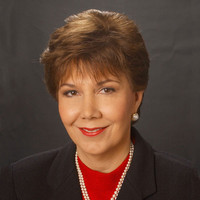
Linda Chavez is the author of "An Unlikely Conservative: The Transformation of an Ex-Liberal." To find out more about Linda Chavez, visit the Creators Syndicate web page at www.creators.com.


View Comments