Q: I have a 5-year-old boy who's developed a nasty habit of telling me he hates me. If he's told no for some reason, for example that can't buy a toy or he has to leave someplace, etc., he angrily screams, "I hate you!" He follows this by a wish that I'm hurt and/or by punching me. He's done this a few times with his dad and others, but mostly with me. I've tried a variety of punishments, including time-outs and soap in his mouth. I've also tried ignoring it or explaining how it hurts my feelings. Nothing has worked. After he calms down, he always tells me he's sorry and didn't mean it, but I can't tolerate it anymore. Do you have any advice?
A: All this "hate mommy" stuff must feel very frustrating and hurtful to you. It must also make you hesitant about saying no to anything that might start another commotion. Although children shouldn't receive constant no's, it's important for all children to learn to accept limits from the adults who love them most, their parents. I suggest you have a talk with your son when he's in a quiet frame of mind. Remind him that you understand he can feel angry when you tell him he can't have something, but that he may not say he hates you except in his own room where no one else can hear it. Tell him that you'll be looking for him to control himself better, and you'll be proud of him if he can calmly accept a no or use his words to explain why he thinks you should change your no.
You can promise to hear him out if he explains his reasons, although you should also explain that while you'll listen to what he has to say, your answer may still be no, and he may have to learn to accept his disappointment. I don't expect this explanation alone is going to solve the problem but will only make the expectations clear to him and help you to feel that you've explained your reasoning. Then, for consistency, each time he continues to lose his temper, time him out in his room until he calms down.
Here's the change. When your son calms down and apologizes, tell him you won't accept his apology and the only apology you'll accept is his not using the hateful words. Absolutely don't hug or comfort him. Instead, continue to seem disappointed and upset. It will take him a few times before he can get his temper under control, but he'll try harder if he realizes that you're disappointed and angry with him. He'll learn that his apologies won't so readily cancel your feelings.
If his temper gets worse or continues to be out of control, some anger management therapy will be helpful. If you do decide to take him to a psychologist, be sure that the psychologist also agrees to meet with you to help identify what, if anything, in your parenting may be exacerbating the issue. For example, you ended your letter with "I can't tolerate it anymore," which was a good way for you to express to me your extreme frustration. Unfortunately, if you said the same thing to your son, the impact would likely be that he'd continue his out-of-control behavior. That's likely because children who push parents to that frustration level actually feel insecure and are searching for parents who are strong enough to set limits. I've seen the pattern repeatedly. Most children continue to be disrespectful to adults who appear weak and say things that suggest that the adults can't control them. You need to be strong and confident, and believe in yourself as a wise parent.
To help you relate to this concept of how children respond to adults who don't take charge, imagine a teacher frustrated by classroom misbehavior, announcing that she can't handle her class. Even the typically well-behaved students take over the class and chaos ensues. The moral of this story is that even when you feel out of control of your children, and most parents do at some times, at least pretend to take charge. It works and also helps children feel more secure.
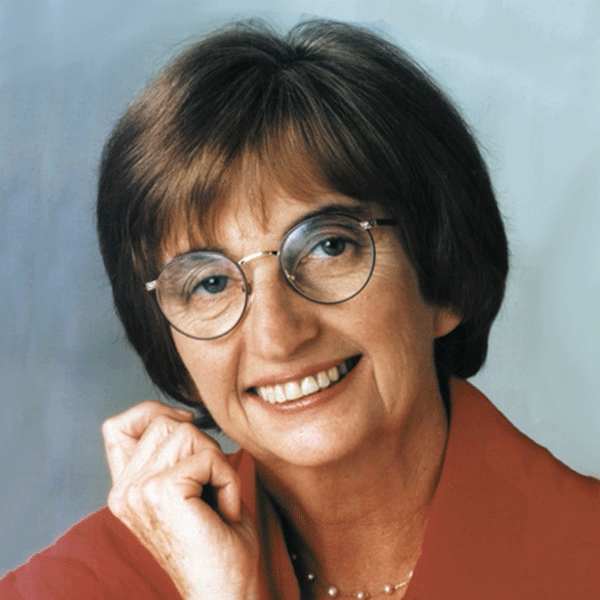
For a free newsletter about the principles of parenting, send a large self-addressed, stamped envelope to the address below. Dr. Sylvia B. Rimm is the director of the Family Achievement Clinic in Cleveland, Ohio, a clinical professor of psychiatry and pediatrics at the Case Western Reserve University School of Medicine, and the author of many books on parenting. More information on raising kids is available at www.sylviarimm.com. Please send questions to: Sylvia B. Rimm on Raising Kids, P.O. Box 32, Watertown, WI 53094 or [email protected]. To read features by other Creators Syndicate writers and cartoonists, visit the Creators Syndicate website at www.creators.com.




View Comments